The distinction between store-bought beef and farm-raised beef has significant implications for taste, quality, and consumer values.
Many people assume all beef is essentially the same, but the way cattle are raised dramatically shapes the meat’s nutritional profile, texture, and flavor.
Understanding these differences empowers consumers to make choices aligned with their health goals, budgets, and ethical concerns.
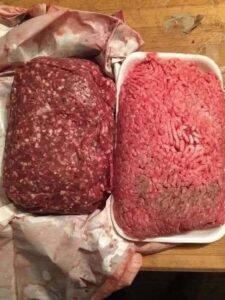
Farm-raised beef, especially from small, local farms, typically comes from cattle given extensive pasture access. These animals often graze on grass throughout most of their lives and may receive grain finishing to improve marbling. This approach produces meat with richer, more complex flavors and firmer texture due to the cattle’s active lifestyle. The variations in diet and open living conditions also contribute to natural marbling patterns.
Store-bought beef, especially from major supermarket suppliers, is usually sourced from large-scale feedlot operations. In these environments, cattle are fed a largely grain-based diet formulated for rapid weight gain. While this creates visually uniform cuts of meat, the flavor tends to be milder and less nuanced compared to farm-raised beef. Limited movement and standardized feeding contribute to consistency but not depth of flavor.
From a nutritional perspective, grass-fed or pasture-raised beef is often higher in beneficial fats like omega-3s and contains fewer total calories. Store-bought beef may have a higher fat content depending on the finishing methods used, influencing both taste and dietary considerations. Consumers concerned with nutrition may lean toward farm-raised options for their cleaner profiles.
Environmental and ethical considerations also differ between the two sources. Local farm operations generally emphasize sustainability, humane treatment, and smaller ecological footprints. Large feedlots, on the other hand, can raise concerns about methane emissions, overcrowding, and high resource consumption.
Overall, choosing between farm-raised and store-bought beef depends on individual priorities—whether flavor, cost, environmental impact, or nutritional benefits matter most.