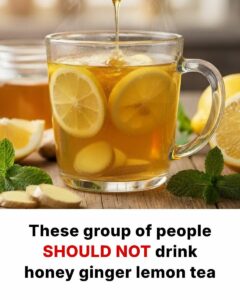
8 group of people who should not use honey ginger lemon tea.
1. Infants and children under 1 year old.
Babies younger than one should never consume honey.
Honey may contain spores of Clostridium botulinum, the bacteria that cause infant botulism.
Because a baby’s digestive system isn’t mature enough to neutralize these spores, they can trigger dangerous neurological poisoning that may be life-threatening.
2. People with diabetes or high blood sugar
Honey is rich in natural sugars like fructose and glucose. Even though its glycemic index is lower than table sugar, it can still raise blood glucose levels. Those with diabetes or anyone monitoring their sugar intake should avoid or strictly limit honey-lemon-ginger drinks, and check with a doctor to avoid destabilizing their glucose levels.
3. People with digestive issues such as gastric ulcers
Individuals with stomach or duodenal ulcers or acid reflux should be cautious. Lemon’s citric acid can stimulate excess stomach acid. For those already dealing with ulcers or sensitivity, honey-lemon-ginger water can worsen inflammation and trigger heartburn, reflux, or discomfort.
4. People with high internal heat, frequent mouth ulcers, or constipation
Ginger naturally warms the body, which means too much of it can raise body temperature. This may aggravate mouth sores, constipation, or conditions related to internal heat.
5. People with blood disorders or taking anticoagulants
Ginger has mild blood-thinning effects. For people with bleeding disorders or who take medications like warfarin or heparin, combining ginger with these drugs may increase the risk of excessive bleeding.
6. People with high blood pressure or heart disease
Although ginger may help regulate blood pressure in some cases, overconsumption—especially in severe cardiac conditions—can be risky. Its warming effect has been linked to a potential increase in arterial strain. Those with hypertension or heart disease should use it carefully and consult their doctor.
7. People with a history of bleeding (nosebleeds or internal bleeding)
Because ginger generates internal heat and can thin the blood, it may worsen bleeding tendencies. Anyone prone to bleeding should limit or avoid it.
8. Pregnant and breastfeeding women
Pregnancy: High doses of ginger, especially late in pregnancy, may stimulate uterine contractions and raise the risk of preterm labor. While ginger is commonly used to ease early-pregnancy nausea, honey-lemon-ginger drinks—particularly in the third trimester—should be reviewed with an obstetrician.
Breastfeeding: Excess ginger can create internal heat and may affect the baby through breast milk, so moderation is recommended.
Benefits of honey-lemon-ginger water
1. Supports digestion
Ginger helps ease nausea and improves digestion by breaking down food and reducing gas or bloating. Lemon stimulates bile flow and helps maintain a healthy stomach pH. Honey’s prebiotic properties nourish good gut bacteria. Together, they promote smoother, more efficient digestive function.
2. Improves skin health
Lemon contains AHAs that help fade dark spots and scars while offering antioxidant protection. Ginger’s antioxidants help guard the skin from damage, and honey hydrates by drawing moisture into the skin. As a trio, they promote healthier, more radiant skin from within.
3. Strengthens immunity
Lemon’s vitamin C, ginger’s antioxidants, and honey’s antibacterial properties work together to reduce the severity of colds and flu. Honey is also a natural cough soother, making this combination a classic immune-boosting remedy.
4. Boosts energy
Daily stress can drain your energy. Ginger enhances circulation, lemon supports detoxification, and honey provides natural sugars for quick fuel. Whether consumed warm or blended cold, the mixture helps fight fatigue and sustain energy levels.
5. Provides anti-inflammatory benefits
Gingerol and shogaol in ginger, along with lemon’s vitamin C, fight oxidative stress and inflammation. Honey also contains anti-inflammatory compounds. Regular use may help ease chronic inflammation and support long-term wellness.