You might wake up feeling perfectly fine, with no signs of illness, yet your arteries could already be partially blocked and your heart quietly under pressure.
Blocked arteries often don’t show symptoms until something severe happens—like a heart attack or stroke.
Cardiovascular diseases are responsible for nearly 18 million deaths globally every year, mostly affecting individuals unaware they’re in danger.
Being aware of the following nine symptoms—some of which may seem minor or unrelated—can help you spot trouble early and possibly save your life.
1. Chest discomfort or pain

One of the most common red flags is pressure, tightness, or discomfort in the chest, known as angina.
This is usually caused by atherosclerosis, where plaque made of fat, cholesterol, and calcium builds up inside artery walls.
As plaque hardens and narrows the arteries, it restricts blood flow to the heart.
When the heart doesn’t get enough oxygen—especially during physical or emotional stress—it triggers pain that can extend to the neck, shoulders, back, or arms.
This pain isn’t relieved by antacids and tends to come on during activity and fade during rest. In some cases, a plaque rupture can cause a clot and lead to a heart attack.
Never dismiss chest pain like this.
2. Unusual shortness of breath
Struggling to catch your breath after mild effort, such as walking upstairs, may point to insufficient oxygen circulation due to narrowed arteries.
A stressed heart has difficulty keeping up with demand, and this can even cause breathing difficulties when resting or lying down.
In advanced stages, people may wake up at night gasping or need to sleep propped up. This signals that the heart is struggling to deliver enough blood, even to the lungs.
3. Chronic, unexplained fatigue

Fatigue linked to poor circulation is deep and persistent—it doesn’t improve with sleep. It’s not simple tiredness but complete exhaustion, making basic tasks feel overwhelming.
This occurs because when oxygen delivery drops, your body prioritizes vital organs and reduces energy elsewhere.
This kind of fatigue is often overlooked or blamed on age or stress, but if it continues unchecked, it can significantly affect your daily life.
4. Pain or cramping in the legs
Discomfort while walking, often felt as cramping or heaviness in the legs, is a sign of peripheral artery disease (PAD). This happens when leg arteries are narrowed and can’t supply enough oxygen during activity.
The pain typically subsides with rest but may worsen over time. The specific location of the pain—calves, thighs, or buttocks—can reveal where the blockage is. PAD is also a sign of widespread atherosclerosis, including in the heart and brain.
5. Sudden sweating or nausea

Unexpected sweating, even without physical exertion, can indicate heart stress. When oxygen is lacking, your nervous system may release adrenaline, leading to a cold sweat and rapid heartbeat.
Your body may also pull blood from the digestive system, causing nausea or vomiting. While these symptoms are easy to mistake for stomach issues, they become more serious when paired with chest discomfort or breathlessness.
6. Irregular heartbeat or palpitations
A fluttering or racing heart can mean the heart isn’t getting enough oxygen. This may disturb the heart’s rhythm, causing arrhythmias.
If these irregular beats persist or come with other symptoms like fatigue or pain, they should be assessed immediately.
7. High blood pressure
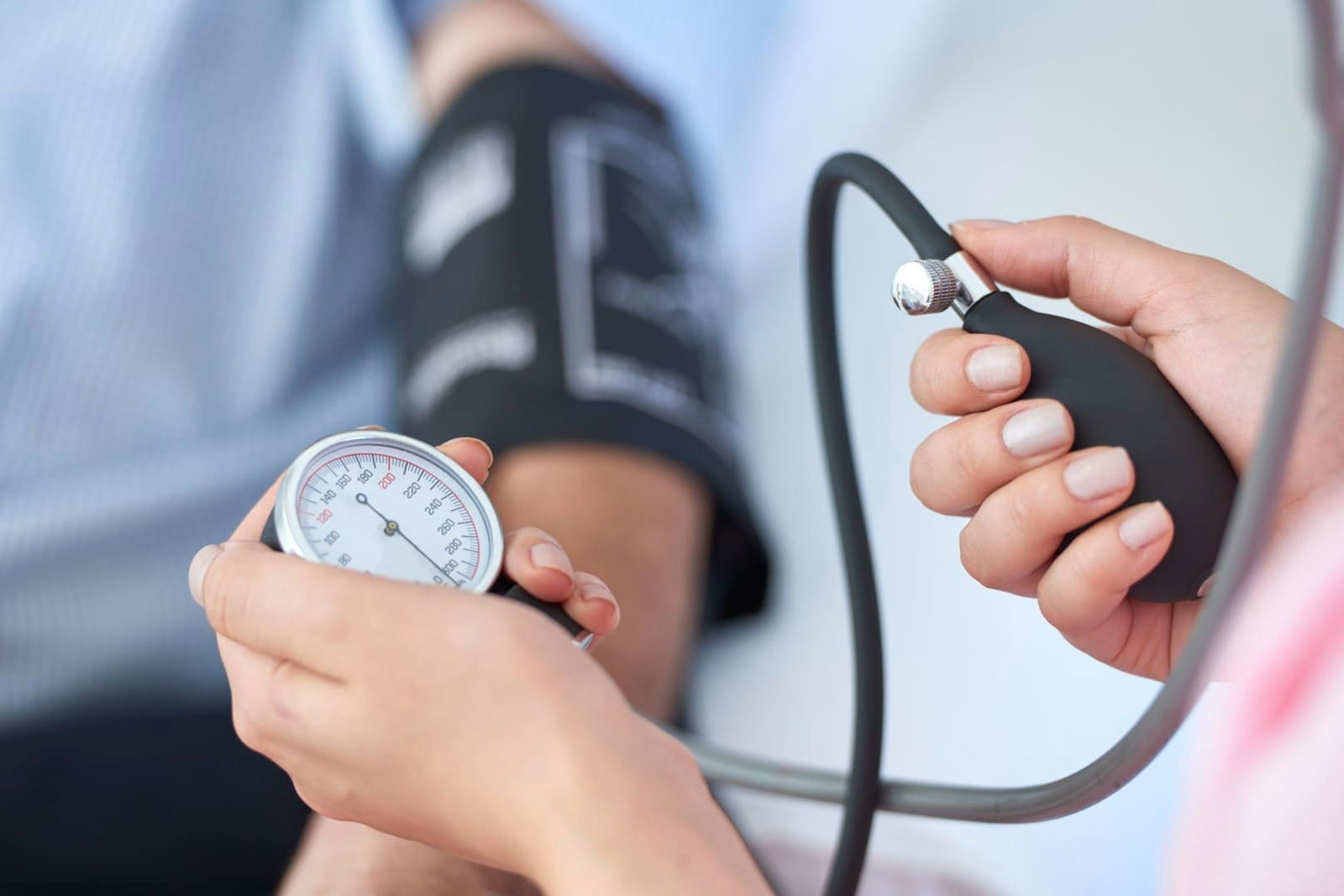
Often silent and unnoticed, high blood pressure happens when arteries narrow and the heart must pump harder.
Over time, this weakens the heart and damages vessels, leading to severe problems like strokes or heart attacks. The only way to detect it early is through regular checks.
8. Swollen legs or ankles
When the heart can’t pump properly, blood may pool in your lower body, causing swelling. This can be uncomfortable and worsen over time. It’s also often linked with fatigue and breathlessness.
9. Changes in skin color or temperature
Cold, pale, or bluish hands and feet mean poor circulation. This occurs because your body redirects blood to core organs when resources are low. It’s a strong sign of PAD and signals overall artery disease.
Understanding these symptoms helps you take action early and protect your heart health.