Drooling during sleep is a surprisingly common occurrence.
For many people, it is little more than an occasional annoyance—something that may cause embarrassment if noticed by others but not a cause for serious concern.
Often, it is linked to simple, benign factors such as your sleeping position or temporary nasal congestion.
However, when drooling becomes excessive, persistent, or appears suddenly, it can sometimes signal an underlying condition that deserves closer attention.
Understanding why it happens and exploring practical solutions can help reduce or even prevent nighttime drooling.
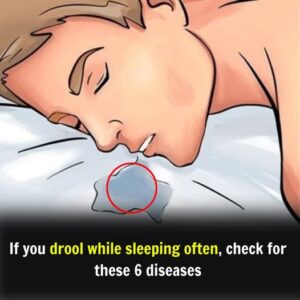
The most common explanation is sleep position. People who sleep on their side or stomach are more likely to experience drooling because gravity encourages saliva to escape from the mouth. When this is paired with nasal congestion from a cold, allergies, or sinus problems, mouth breathing becomes more likely, increasing the chance of drool escaping during the night.
Medications can also play a role. Certain drugs—including sedatives, antipsychotics, and even nonsteroidal anti-inflammatory drugs (NSAIDs)—are known to increase saliva production. When these medications are combined with deep or relaxed sleep, the body may produce more saliva than it can manage, resulting in drooling.
Nasal and airway issues represent another common contributor. A deviated septum, chronic allergies, or other obstructions that limit nasal airflow force individuals to breathe through their mouths. This makes saliva more likely to pool and leak during sleep. Sleep apnea is another frequent culprit. The condition, marked by repeated interruptions in breathing, often coincides with mouth breathing and excess saliva production. Left untreated, sleep apnea not only leads to drooling but also raises the risk of more serious health problems such as high blood pressure and heart disease.
In some cases, drooling may be linked to dental or gastrointestinal problems. Infections, cavities, or pain when swallowing can discourage normal saliva clearance, while gastroesophageal reflux disease (GERD) can trigger the body to produce more saliva in an effort to neutralize stomach acid, especially at night. Neurological conditions can also play a significant role. Disorders such as Parkinson’s disease, amyotrophic lateral sclerosis (ALS), or the aftermath of a stroke may impair the muscles responsible for swallowing, making saliva management more difficult. Even bruxism, or nighttime teeth grinding, particularly when a mouthguard is used, can interfere with keeping the mouth fully closed and lead to drooling.
Fortunately, there are many strategies to manage nighttime drooling. Adjusting sleep position is one of the simplest remedies—lying on your back makes saliva less likely to escape. Staying hydrated during the day helps keep saliva at a healthy consistency, while some people find that sucking on citrus wedges, such as lemon, stimulates swallowing and reduces drooling episodes. Mandibular devices or custom mouthguards can also help by gently encouraging the mouth to stay closed during sleep. For those with sleep apnea, consistent use of a CPAP machine not only improves breathing but also minimizes drooling.
When drooling is more severe, medical interventions may be considered. Botox injections can temporarily reduce saliva production by targeting specific salivary glands, offering relief that lasts for several months. In extreme cases, particularly for patients with neurological conditions, surgical removal of salivary glands may be an option, though it is generally reserved for situations where other treatments have failed.
It is important to remember that sudden or worsening drooling should not be ignored. If it is accompanied by concerning symptoms such as facial weakness, jaw pain, or difficulty swallowing, it may indicate a neurological event or another serious medical problem. Seeking prompt medical evaluation ensures that any underlying condition can be diagnosed and treated early.
In most cases, drooling is harmless, but with awareness, lifestyle adjustments, and appropriate medical guidance, it can be reduced significantly. By addressing sleep habits, managing contributing conditions, and exploring available treatments, individuals can improve both comfort and confidence—waking up dry, refreshed, and worry-free.