A sudden lightning strike in a Gurgaon public park recently left four men injured, prompting renewed public concern about thunderstorm safety. The four individuals had reportedly sought shelter under a tree during a brief afternoon rainstorm when a lightning bolt struck, sending them all to the ground.
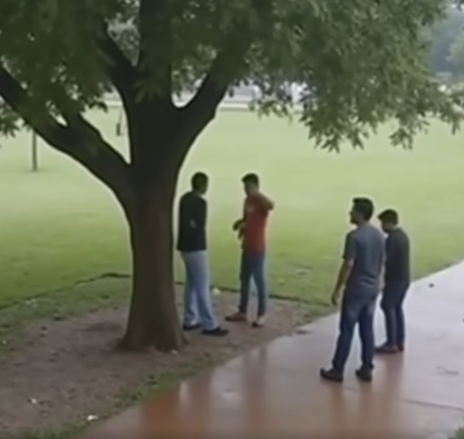
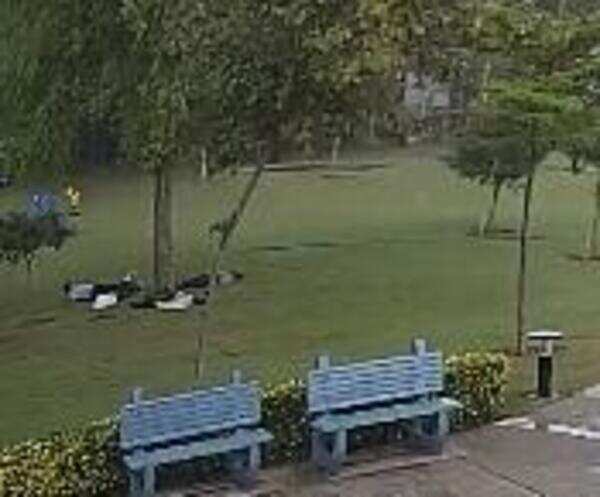
Fortunately, thanks to a swift emergency response and hospital care, all four victims were reported to be in stable condition and are expected to fully recover. While the outcome could have been far worse, the incident serves as a timely reminder of the dangers posed by lightning, particularly in outdoor settings.
What Happened in Gurgaon?

Eyewitnesses at the scene say the storm rolled in quickly. As rain began to fall, the four men—believed to be friends enjoying a walk—took cover under a large tree in the middle of the park. Moments later, a bright flash and deafening crack stunned the area as a bolt of lightning made direct contact with the tree or ground nearby.
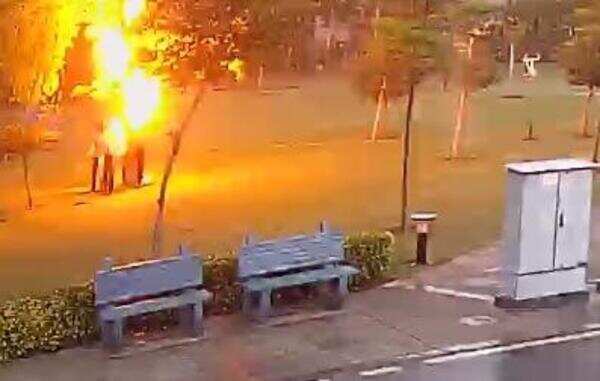
All four collapsed immediately, but bystanders quickly called emergency services. Local medical teams and police responded within minutes and transported the victims to a nearby hospital. Fortunately, none of the injuries were life-threatening, although the victims were said to be “stunned and shaken.”
Why Trees Are Not Safe Shelter During Storms
It’s a common misconception that standing under a tree during a storm offers safety. In fact, trees are among the most dangerous places to seek shelter in a thunderstorm.
Lightning naturally seeks the tallest object in the area to discharge its energy, making lone trees highly attractive targets. When lightning strikes a tree, its powerful electric current may travel:
Down the trunk, splitting bark or igniting wood
Through the ground in a radius around the base
Through the air, arcing to nearby people or objects
Anyone standing close to the impact zone may be harmed by the ground current, side flashes, or contact voltage—which are the primary causes of human injury during such incidents.
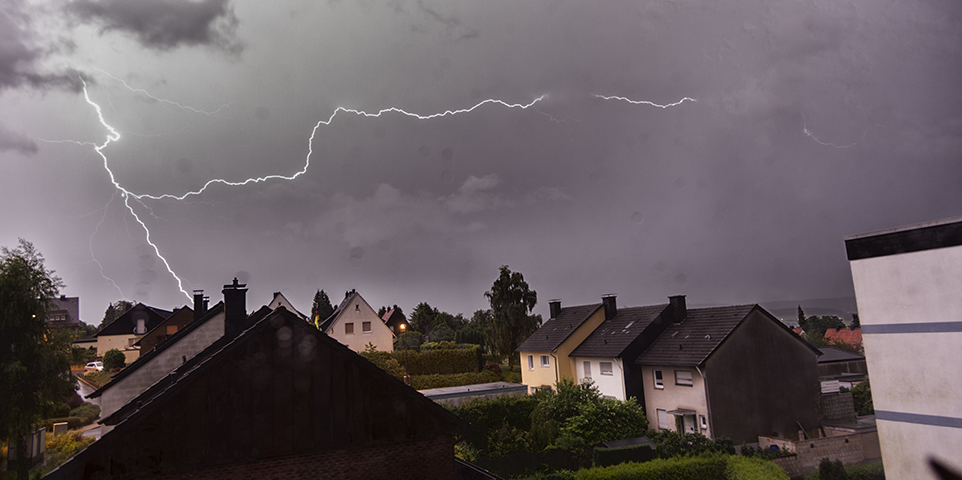
Lightning strikes can carry up to 1 billion volts of electricity and generate temperatures hotter than the surface of the sun. Each year, lightning causes thousands of injuries and hundreds of fatalities globally.
Common health effects from a lightning strike include:
Cardiac arrest or arrhythmia
Burns at the entry or exit point
Neurological symptoms, such as memory loss, headaches, or chronic pain
Hearing or vision impairment
In rare cases, death
While most lightning-related fatalities occur in open areas like fields or beaches, parks and roadside trees also pose serious risks, particularly when storms are fast-moving and unpredictable.
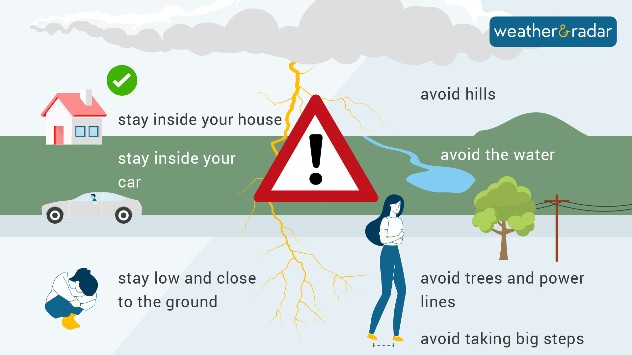
To reduce the risk of lightning injuries during storms, experts and meteorological agencies recommend the following precautions:
If You’re Outdoors:
Never shelter under trees, poles, or tall isolated structures
Move to a fully enclosed building or a hard-topped vehicle as soon as thunder is heard
Avoid open fields, elevated ground, and water
If no shelter is available, crouch low with feet together, minimizing contact with the ground
If You’re Indoors:
Stay away from windows, doors, and plumbing
Unplug electronic devices to prevent surge damage
Avoid using wired electronics or landline phones
The general rule is: “When thunder roars, go indoors.” If you can hear thunder, you are close enough to be struck by lightning—even if the skies above you appear clear.
India and Lightning Incidents: A Growing Concern

In recent years, India has experienced a sharp increase in lightning-related fatalities. Factors contributing to this trend include:
Climate shifts increasing storm frequency
Rapid urbanization in high-risk areas
Lack of public awareness or early warning systems in rural communities
States like Bihar, Jharkhand, and Odisha are frequently affected during the monsoon season. Programs aimed at educating the public—particularly in rural and semi-urban areas—have been launched, but more work remains to be done.
The India Meteorological Department (IMD) continues to issue advisories and real-time alerts through weather apps and radio bulletins. Several state governments have also adopted lightning detection networks and awareness campaigns in schools and workplaces.
What to Do If Someone Is Struck by Lightning
If you ever find yourself in a situation where someone has been struck by lightning, follow these steps:
Call emergency services immediately
Do not be afraid to touch the victim—they do not retain electric charge
Check for breathing or pulse—initiate CPR if necessary
Treat for shock and monitor until help arrives
Do not delay medical care—internal injuries may not be visible
Lightning victims often suffer from long-term aftereffects, and early hospital treatment can reduce complications dramatically.
Moving Forward: Awareness Is the Best Defense
The Gurgaon lightning incident ended with a positive outcome—no lives were lost. But it could have easily turned tragic. This case reinforces the need for continued public education on storm safety, particularly in parks and public spaces where people may be caught off guard.
City officials and park authorities are reportedly reviewing safety signage and emergency alert systems for major public parks in Gurgaon. Visitors are encouraged to monitor weather forecasts and avoid outdoor recreation during periods of high storm probability.
Final Thoughts
Lightning strikes are rare but potentially devastating. The Gurgaon park incident is a wake-up call—not just for the city, but for anyone who enjoys outdoor spaces during India’s storm season. With proper awareness, quick action, and informed decisions, lightning injuries are largely preventable.
Knowing where to seek shelter, how to respond in emergencies, and what mistakes to avoid can make all the difference. And as more extreme weather events occur due to global climate changes, this knowledge is becoming more critical than ever.
Sources
India Meteorological Department (IMD) – https://mausam.imd.gov.in
National Disaster Management Authority (NDMA) Lightning Safety Guidelines – https://ndma.gov.in
World Health Organization – Lightning Injury Prevention
Down to Earth – Lightning fatalities in India: www.downtoearth.org.in
The Times of India – National lightning injury reports
The Weather Channel India – Lightning and Monsoon Risk Analysis