How to Ensure Your Lemon Tree Produces Fruit: Simple Tips for Healthy Growth
If you have a lemon tree at home but it’s not producing fruit, don’t worry!
Whether your lemon tree is planted directly in the ground or in a container, there are a few essential steps you can take to encourage it to bear fruit.
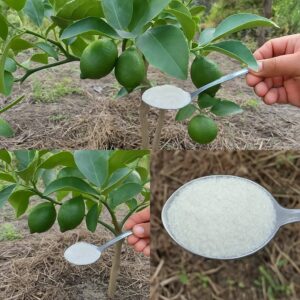
This guide will help you provide the right care to promote blooming, fruit development, and overall healthy growth for your lemon tree.
Sunlight and Pruning: Key Factors for Fruit Production
Lemon trees need plenty of sunlight to thrive and produce fruit. Ideally, your tree should receive direct sunlight for at least 6 to 8 hours each day. If your tree is not getting enough light, it may fail to flower or produce fruit. If you’re growing your tree under a roof or in a shaded area, be sure to move it to a sunnier location if possible.
Pruning is also crucial to encourage flowering and fruiting. Lemon trees respond well to regular pruning, which helps to remove dead or unproductive branches, allowing the tree to focus its energy on producing fruit. Make sure to prune during the tree’s dormant period to ensure healthy growth and an abundance of blooms.
Fertilization: A Simple Guide to Boost Fruit Production
Proper fertilization is one of the most important factors in encouraging fruit production. Here’s how you can provide the right nutrients for your lemon tree.
Materials Needed:
-
-
A 20-liter pot (for container-grown trees)
-
Well-aged manure (such as cow or poultry manure)
-
-
Ashes from burned wood
-
Agricultural urea (high-nitrogen fertilizer)
Step-by-Step Fertilization Process:
-
-
Preparing the Soil: If your lemon tree is planted in the ground, dig a circular trench around the base of the tree. The trench should be about 20 cm deep and encircle the trunk. If you’re growing the tree in a pot, like a 20-liter container, drill a few holes (about 10 cm deep) around the base of the tree to allow the fertilizer to penetrate the soil.
-
-
-
Adding the Manure: Start by adding well-aged manure to the holes or trench. Manure is rich in organic matter and will provide essential nutrients for your tree. If you’re growing the tree in a pot, you can add about two tablespoons of manure per hole. For a tree planted directly in the ground, use about 2 kg of well-aged manure.
-
Adding Ashes: Next, add a small amount of ashes from burned wood to the holes. Ashes are rich in phosphorus and potassium, which are key nutrients for flower and fruit development. Phosphorus encourages strong root growth and flower production, while potassium supports fruit ripening and enhances flavor. Add about half a teaspoon of ashes to each hole.
-
Applying Urea: Urea is a high-nitrogen fertilizer that helps boost the growth of the tree and encourages fruit production. Nitrogen is an essential nutrient that promotes healthy foliage, strong roots, and overall tree growth. Apply a small amount—roughly 6 grams of urea per hole—being careful not to overuse it, as too much nitrogen can harm the tree.
-
-
Cover and Water: After adding the fertilizer ingredients, cover the holes with soil and water thoroughly. Watering is important because it helps dissolve the fertilizer, allowing the tree’s roots to absorb the nutrients effectively.
Fertilization Schedule:
Fertilizing your lemon tree every 3 to 4 months will provide it with the necessary nutrients to grow strong and produce an abundant harvest. The fertilizers mentioned above are powerful, so they don’t need to be applied too frequently. Consistent, balanced fertilization ensures that your tree has the energy to bear fruit without overwhelming it.
Fertilizing Lemon Trees in PET Bottles
If you’re growing a lemon tree in a PET bottle or similar container, the fertilization process is slightly different due to the limited space for roots. However, the principle remains the same: you need to ensure your tree receives the necessary nutrients without damaging the roots.
Here’s how to fertilize a lemon tree in a PET bottle:
-
-
Add Urea First: Since the roots are confined in a small space, start by adding a small amount of urea (nitrogen) at the bottom of the bottle. Urea will help boost the growth and fruiting of your tree.
-
Add Manure and Ashes: After the urea, add manure and ashes in layers. This will provide your lemon tree with a steady supply of phosphorus and potassium, crucial for flowering and fruiting.
-
-
Watering After Fertilizing: Once you’ve added the fertilizers, water the tree thoroughly. This helps dissolve the nutrients and ensures the roots can absorb them.
Conclusion
By following these simple and effective fertilization techniques, you can ensure that your lemon tree produces a bountiful harvest year-round. Whether you’re growing your tree in a pot, a PET bottle, or directly in the ground, providing the right nutrients and ensuring adequate sunlight and pruning will help your tree thrive. Fertilizing every 3 to 4 months, combined with regular care, will encourage your lemon tree to bear fruit and create the perfect conditions for a successful harvest.