A Familiar Sight Across the Countryside
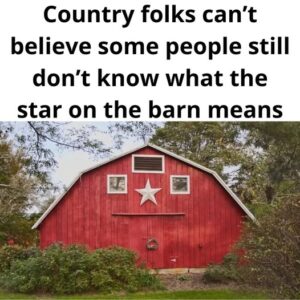
Have you ever passed an old barn or farmhouse and noticed a large, five-pointed star above the door or in the gable? Rustic and faded from years in the sun, these stars still catch the eye. You’ll see them across rural areas, especially in the Eastern United States.
Many people wonder: are they purely decorative, or do they carry meaning?
Names and Origins
Barn stars have existed for generations. While most call them “barn stars,” other names include Amish stars, hex signs, or barn quilts. The terminology varies by region, and sometimes these designs differ slightly.
Despite the variety, the general idea remains the same: luck, protection, and identity.
Historical Significance
In the 18th and 19th centuries, barn stars were more than decoration. Pennsylvania Dutch farmers—actually German settlers—believed the stars offered protection. Placing a star on a barn could safeguard property, animals, crops, and the land itself. It wasn’t a flashy charm; it was a subtle, constant form of folk magic.
Colors Carried Meaning
Colors played a significant role in the symbolism:
-
Red: energy, passion, good luck
-
Blue: peace, calm, balance
-
Green: fertility and growth
-
Black: protection, like a visual guard dog
-
White: purity and spiritual connection
Each color conveyed a type of energy that farmers wanted flowing through their land.
Designs and Personal Significance
The star’s design could also carry meaning. More intricate “hex signs” resembled painted mandalas, combining geometry with symbolic value. Some symbols reflected faith, magic, or simply folk art, depending on the community.
Over time, barn stars became personal markers. A finely crafted star displayed the skill of the maker and became a symbol of pride. Families also used them as a signature, signaling ownership, longevity, and identity: “We have been here, and this is our place.”
From Rural Charm to Modern Décor
Today, barn stars appear far beyond the countryside. You might see them on suburban porches, garden sheds, or patios. Most people no longer hang them to ward off evil spirits.
Even so, they retain a sense of comfort. They evoke nostalgia, heritage, and a quiet respect for those who built their lives with hard work and hope.
A Symbol With a Story
Barn stars have transitioned from protective talismans to folk-chic décor, yet they maintain a tether to tradition. A simple painted wooden star, nailed to shingles year after year, carries meaning beyond decoration.
The next time you spot one—on a barn, a garage, or even a garden shed—take a closer look. That star may tell a story of tradition, luck, family, or simply the human desire to leave a mark: “We were here.”