The tragic event involving Harambe, the 17-year-old western lowland gorilla, at the Cincinnati Zoo sparked a global conversation about zoo safety, animal behavior, and human responsibility. On May 28, 2016, a young boy climbed into the gorilla’s enclosure, leading to a series of events that ended in Harambe’s death. Experts across various fields have since weighed in on what happened that day and the implications it has for both animal conservation and human interaction with wildlife.
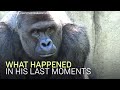
Primatologists have analyzed the footage of Harambe’s interactions with the child, noting that gorillas often show curiosity and protective behavior towards young ones, whether gorilla or human. Some believe Harambe’s actions were misinterpreted as aggressive when they may have been an attempt to protect the child. This incident has led to discussions on how zoos can better design enclosures to prevent such occurrences and whether the use of tranquilizers over lethal force was a viable option.

On the other hand, animal behaviorists have highlighted the challenges faced by zoo staff in this situation. The decision to use lethal force was made to ensure the child’s immediate safety, as tranquilizers can take time to render an animal unconscious, during which the unpredictable behavior could pose a risk. This has led to debates about the ethical considerations of keeping large, powerful animals in captivity and the protocols in place for emergency situations.

Conservationists argue that incidents like Harambe’s highlight the need for increased public education on wildlife and the importance of respecting barriers designed to protect both humans and animals. They stress the importance of supporting conservation efforts that focus on preserving wildlife habitats in the wild, reducing the need for zoos to house such large animals in artificial environments.

In conclusion, Harambe’s last moments have left a profound impact on how society views the role of zoos, the interpretation of animal behavior, and the steps required to prevent similar tragedies. The incident serves as a reminder of the delicate balance between human curiosity and the responsibility to protect the world’s wildlife.