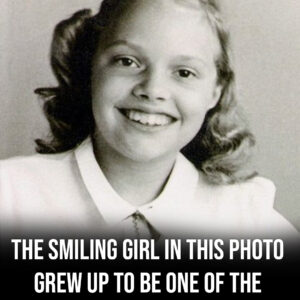
Mary Tyler Moore’s presence felt like safety, but it was also a subtle rebellion.
She stepped into an industry that expected women to be ornamental and obedient, then calmly overturned those expectations without ever announcing a revolution.
On The Mary Tyler Moore Show, she didn’t just play a single, career-driven woman; she normalized her.
She insisted on nuance instead of caricature, intelligence instead of ditziness, quiet strength instead of spectacle. Her choices—what roles to take, how to deliver a line, when to underplay a moment—slowly expanded the emotional and professional range allowed to women on television.
What made her legacy enduring was not perfection, but integrity. She led with preparation, kindness, and clarity of purpose, showing that authority didn’t require cruelty and visibility didn’t demand self-destruction. For younger performers, she became living proof that you could be ambitious and decent, powerful and gentle, principled and successful. Her real triumph was not a single performance, but a lifetime of refusing to betray herself in order to belong.