Extreme weather is hitting the Caribbean and southeastern United States simultaneously, creating one of the most chaotic weeks meteorologists have seen in years.
Multiple hazards — earthquakes, floods, dust plumes, and developing tropical storms — are unfolding at the same time, leaving the region tense and overstretched.
The chain of events began with an earthquake near Trinidad, which, while not catastrophic, rattled communities already anxious about the active storm season.
In Central America, relentless flooding has submerged neighborhoods, destroyed infrastructure, and forced families to evacuate by boat. Emergency crews are exhausted from nonstop rescue work, and the damage continues to expand as water levels rise with no immediate relief. The crisis is deepening in areas that were already struggling.
Meanwhile, a massive Saharan dust plume is sweeping across the islands, reducing visibility, triggering air-quality warnings, and coating everything in a layer of sand. People with respiratory issues are being urged to stay indoors, and even flights could be affected. The density of this dust cloud makes the situation especially difficult.
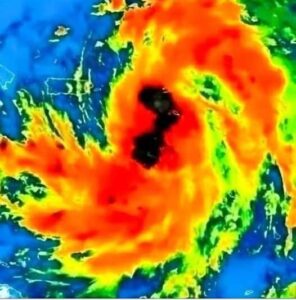
Over the Atlantic, meteorologists are tracking Tropical Storm Flossie and several other disturbances. Warm waters and favorable conditions mean these systems have the potential to strengthen rapidly. Forecasts warn of heavy rainfall, flooding, strong winds, and possible storm surge as the storms move toward the Caribbean and U.S. Southeast.
The real danger comes from the overlap of hazards. Emergency services are stretched thin, hospitals are treating dust-related respiratory problems while preparing for storm injuries, and communication networks are overloaded. When crises stack, risks multiply, especially for vulnerable communities that lack resources or mobility.
Officials are urging people to stay informed, prepare supplies, know evacuation routes, protect themselves from dust exposure, and check on neighbors. The week ahead remains uncertain, but vigilance, planning, and community support will be essential for staying safe until conditions improve.